Welcome to our Arabian Mau Cats page! Here you will find everything you could ever want to know about Arabian Mau cats and a complete list of all the Arabian Mau catteries we have located in the USA.
The sleek and colorful Arabian Mau is one of the oldest cat breeds in the world. Even as a wild desert cat, it enjoyed being around people. Now the Mau is achieving international recognition as a pet and show cat. Arabian Mau cats are outgoing and loyal. They get along well with children and are healthy, but they can be a handful for first-time cat owners.
Arabian Mau Cat Breeders Near You

Arabian Mau
- Are you a cat breeder who isn’t listed? Add your information here.
We also highly recommend checking out our latest news articles at our blog. Find information on cat health, nutrition, holistic healing, basic care, toys, and much more!
Arabian Mau Cat Breed Information
Arabian Mau History and Origins:
The Arabian Mau is descended from Middle Eastern desert wildcats that probably first made friends with humans tens of thousands of years ago. However, the Mau only achieved recognition as a distinct breed in the 21st century.
Desert cats turn into street kitties
The name “Mau” comes from the Ancient Egyptian word for “cat.” As the Middle Eastern ancestors of most of today’s cat breeds spread out across the world, the Arabian Mau stayed where it was, adapting to desert life and socializing with nomadic people who occasionally passed by.
Human records of these friendly felines go back over a thousand years. As the modern era dawned and urban sprawl invaded the desert, the Arabian Mau discovered that life on the street was easier than in the desert, with more food and water, more shade, and even the chance for a nice home with some friendly human.
It wasn’t an altogether great life, though. In the city there were new diseases, more ways to be injured, and much more competition, especially since foreigners who moved in brought their own cats from back home and left the native Arabian Mau out in the street.
The World Cat Federation steps in
The Arabian Mau is a survivor, though, and it thrived in the street. By the turn of the 21st century, many of the estimated 250,000 stray cats in the United Arab Emirates were Arabian Maus. Then, during a visit to Dubai, officials of the World Cat Federation saw the rugged, beautiful cats lurking in alleys and on trash bins. The cat fanciers suspected that this could be a separate breed of cat that just hadn’t yet been recognized yet.
The only way to tell for sure was to breed the Mau for six generations and see if it kept its own unique characteristics. It did.
A German expatriate in Dubai, Petra Mueller, helped out both in the Arabian Mau breeding program and in controlling the cat population. She bred cats and then neutered them after a litter was produced. With Mueller’s encouragement, the World Cat Federation provisionally recognized the Arabian Mau as a pedigreed breed in 2008, and Maus have been participating in cat shows since 2009.
This lovely cat’s beauty and friendliness is also winning over human hearts everywhere. The Arabian Mau is best known in its native home, though, where people like Petra Mueller and local organizations like the Bin Kitty Collective continue to work hard getting these lovely kitties off the streets and into loving forever homes.
Size and Physical Characteristics:
| The Arabian Mau: Street-Smart and Affectionate | |
| Face: | Round but longer than it is broad. Large ears with rounded tips. Oval eyes. |
| Fur: | Short. Firm and glossy, not silky. A variety of colors and patterns. |
| Adult weight: | Males: 10-16 pounds. Females: 6-10 pounds. |
| Size/shape: | Medium. Slender and athletic build. |
| Legs: | Long. Hind legs longer than forelegs. Oval paws with thick pads. |
| Tail: | Medium long. Furry. Tapering. |
| Voice: | Vocal. Can be loud, but not usually chatty. |
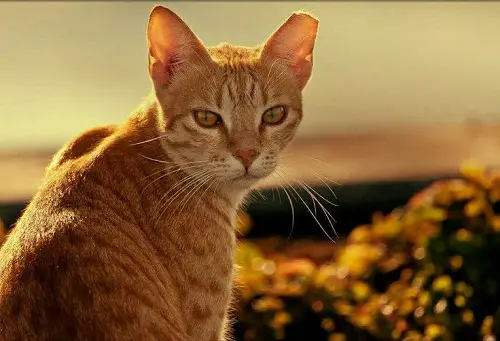
An Arabian Mau is a medium-sized cat with long legs and a muscular but well-balanced body. Its big ears and long whiskers are designed to find prey in the cool desert night. The large ear size also helps Kitty stay cool as it relaxes during the brutal heat of day. An Arabian Mau pads along gracefully on tip-toe – the only sensible way to walk on broiling hot sand. This cat can launch itself with surprising ease up onto a counter or cabinet top by using its powerful hind legs. Its colorful fur is hard and glossy, with no undercoat.
Head and face
An Arabian Mau cat’s head isn’t quite as round as the one on it wildcat ancestor, but it looks different from the usual domestic shorthair’s head. The Mau has a slightly longer muzzle, and a very prominent but cute chin. The round whisker pads sport many fine white whiskers that are about as long as the cat is wide.
The Arabian Mau’s ears are wide-set. They start on the side of the head at about the level of the eyes. Fine hair furnishings in the ears help the Mau locate prey even when it’s moving very quietly on sand in the dark.
This cat’s eyes are oval, large and set wide apart, giving the Arabian Mau an open, friendly look. The eyes can be any color but are usually green or copper.
Body and fur
These cats have a rectangular body that is muscular but supple. Rather than having long legs, the body of an Arabian Mau sits high on the cat’s legs. These cats have a nice build and move very graceful. The Mau certainly is good at jumping, thanks to its deep haunches and extra-long hind legs that are usually kept flexed as Kitty walks around. Its paws are oval, with thick paw pads to handle hot desert sand.
Cats do sweat through their pads, but it isn’t very efficient. To beat the heat, Arabian Mau cats lick themselves. The saliva evaporates, lifting heat away from Kitty’s body. Maus also sprawl out with their forelegs held out like they are mimicking Egypt’s Great Sphinx. This position is adorable, but its real purpose is to minimize heat and maximize coolness.
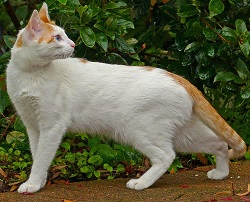
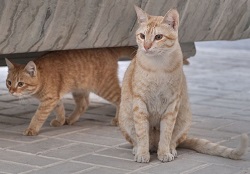
A hot-weather cat like the Mau doesn’t need an undercoat. Its short fur sits close to the body. Light shades of brown, gray, and red hair, mixed with white, reflect sunlight and blend in easily out in the desert. Many Arabian Mau cats have modified tabby patterns, too. However, this beautiful animal also comes in dramatic solid white or black, as well as bicolored fur.
Personality and Temperament:
 Arabian Mau cats can adapt to any home environment. They love to interact with people – the more the merrier! Maus are intelligent enough to be trained, but they are independent and have very strong hunting instincts. This can make managing the Arabian Mau a challenge for someone new to cat ownership.
Extroverted and people-oriented
The Arabian Mau is too frisky to be a good therapy animal, but it provides wonderful companionship. Kitty will adopt everyone one in the house rather than bond with just one or two people. While it is cautious around strangers, it doesn’t fear them. Some owners report that their Arabian Mau will actually stop what it is doing and go to the door to greet visitors.
The rough-and-tumble world of city streets has made the Mau very flexible. This cat gets along well with other resident pets, including cat-friendly dogs. It also enjoys the hustle and bustle of family living. Children like its playfulness, but if you are more into the quiet life, the Arabian Mau has its serious side, too. It isn’t a lap cat, but it often will settle down nearby to keep an eye on you as well as follow you around the house.
Smart and energetic
You can easily train the intelligent Arabian Mau and you should. Arabian Maus have a lot of natural energy to burn off. You will have to direct that energy by playing with the cat frequently and also setting a few boundaries.
This doesn’t mean doing a lion-tamer act. Just let your Arabian Mau know what you expect of it. First and foremost, Kitty wants to please you, so it will soon learn that, for example, scratching the post is okay and scratching your couch is not.
You can also train your Mau to do tricks. But frequent playtime is a must. As the experts put it, Arabian Maus have “a thousand years of wild to burn off.”
You could let this natural breed outdoors, but that would be rough on the local wildlife and other cats. The Arabian Mau cat is an excellent hunter as well as very territorial. Besides, it isn’t cruel to keep a cat in a safe place where it is protected from disease, predators, the cold, and other outdoor hazards. Your Arabian Mau will live longer and be healthier if it stays indoors.
Arabian Mau Grooming and Upkeep:
Arabian Mau cats don’t shed very much. Grooming them is very easy. They also should have routine dental and claw care.
Grooming tips
The Arabian Mau has no undercoat to keep it warm. This means little to no shedding, even during the spring and fall. The Arabian Mau does frequent grooming. At most you should brush your Arabian Mau cat once a week or so.
You may also want to wipe it with an untreated chamois cloth (one that doesn’t contain chemicals) to shine up the coat, which is made out of tough, glossy hair. Kitty probably will never need a bath unless you plan to show it.
Teeth and claws
Cats are prone to gingivitis. The Arabian Mau should have regular tooth cleaning. If the veterinarian does this, the procedure will require general anesthesia, which is risky. A safer and less expensive alternative is for you to do it yourself. Just run a gauze-covered finger over the teeth once a week or so. It doesn’t have to be done after every meal. As an alternative, try the special toothpaste and toothbrush that are available from your vet. Cleaning a Bengal cat’s teeth is easiest when the cat has been trained for it from a young age.
Your Arabian Mau cat will groom its own claws by scratching, but this doesn’t remove all the layers of dead nail. It doesn’t stop the nails from growing, either. Clipping may seem a little intimidating if you have never done it before, but it’s not hard and goes quickly with the right tools and a little practice. Ask your veterinarian for advice on how to do this safely.
Nutritional and Exercise Needs:
 Arabian Mau cats like to eat anything and everything, but like all cats, they are carnivores. They get most of their energy from protein. They also must have a special balance of fat, carbohydrates and other nutrients. All domestic cats need some encouragement to drink. The Arabian Mau needs plenty of room to exercise.
A complete diet and plenty of water
Desert cats like the Arabian Mau live off their prey. It’s very high in protein and contains some fat and a few carbohydrates. Prey also provides all of the water the cat will need to survive.
As our pets, cats should get the same nutrition they got in the wild. Pet food manufacturers know this. Any serving of commercial product that meets guidelines set by the Association of American Feed Control Officials (AAFCO) has all the protein your Arabian Mau needs, as well as the right balance of other nutrients.
Canned cat food has about as much water in it per serving as your cat would get from prey. If Kitty prefers dry food, it may get slightly dehydrated. You can help by making sure there is always lots of fresh water available. Your Arabian Mau will eventually drink what it needs to stay healthy and happy.
It’s up to you to monitor how much your Arabian Mau eats. Thanks to its heritage of living in the desert and on the streets, the Arabian Mau will eat just about anything, and it doesn’t know when to stop. However, obesity probably won’t be a problem in this lively feline, if you keep food containers secured and watch serving size.
Room to exercise
The Arabian Mau cat has a lot of pep. It will race around to welcome people, play with them, and make new friends. The Mau also likes to thoroughly explore its world. This cat will reach every height, get into everything, and squirm into places where you never suspected a cat could fit.
You can help the Arabian Mau channel its energy nondestructively by playing with it a lot. It’s also fun to watch this natural wonder in action, stalking a ball, ambushing an unsuspecting toy mouse, or leaping after a feather toy, its eyes fixed on the prize.
Make sure there is plenty of room for your Arabian Mau’s friskiness. If your living quarters are limited, you can always add vertical space in the form of a ceiling-high cat tree. Then sit back and enjoy the feline show!
Characteristics Unique to the Arabian Mau:
When the World Cat Federation saw the Arabian Mau on the streets of Dubai in the early 2000s and recognized it as a distinct breed, they were probably looking at the well-balanced combination of agility and strength in this cat’s build and its ability to thrive in desert conditions, as well as its beautiful coloring and friendliness.
Powerful, hardy, and colorful
An Arabian Mau has to survive in the unforgiving world of the Arabian Desert. The cat’s rangy legs and lithe body allow it to move quickly, with a lot of force. No one has clocked an Arabian Mau yet, but they probably are excellent sprinters in the night-time coolness.
During the day, temperatures routinely are well over 100 degrees Fahrenheit and may get up into the 120s. In these conditions, when many other breeds would need to be hospitalized, the Arabian Mau cat just lounges around, using tricks like body position, licking its fur, radiating heat from its ears and paw pads, and panting to survive.
Perhaps heat is the reason why there are so many solid white Maus – this color absorbs the least heat. It’s a little harder to understand why Maus developed heat-absorbing black fur out there, but the color certainly does make them invisible at night. Both white and black stand out against brown sand, though. Most Arabian Mau cats are some shade of brown, gray, white, or black, with the typical tabby patterning found in many small Asian cats.
A friend for life
The World Cat Federation officials were probably also impressed by how easily this street cat socializes with human beings. Feral cats are not generally considered friendly, but the Arabian Mau has always made its home near people and gets along very well with us.
An Arabian Mau cat is very interactive. Once wild, it now fits right into the human world. Some compare these cats to dogs, but they really are loving and friendly in their own right.
Your Mau will be energetic and playful, but it will also recognize you as someone special and give you its heart. All it asks in return is the same high level of attention and friendship.
Health and Wellness:
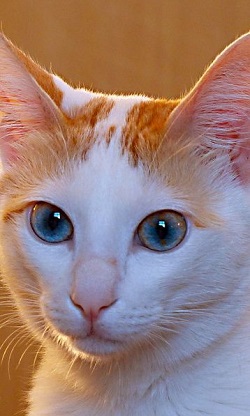 The Arabian Mau is a natural breed, not the product of generations of inbreeding. It has no known hereditary health problems but does need to be kept warm. Of course, these cats can come down the same illnesses that any of their fellow felines might get and they should be vaccinated.
A desert cat likes warmth
As the Arabian Mau becomes better known internationally, it will probably move into cooler climates where the very factors that help the cat survive in the desert make it vulnerable to cold. Of course, Arabian Mau cats can be kept warm indoors anywhere. It’s just important to make sure they don’t catch a chill.
Eventually, more Arabian Mau cats will be born and raised in cooler climates. The breed will likely eventually adapt and thrive, many thousands of miles from the equator, without special attention to temperature.
Vaccinations
All domestic cats need protection from feline distemper (sometimes called parvovirus or panleukopenia) as well as FHV-1 and FCV, which are two very serious feline upper respiratory illnesses. These core vaccinations are given as a series over ten weeks. Kittens as young as 6-8 weeks or adults that haven’t been immunized yet can get it. After that, the cat just requires boosters every one to three years, depending on the vaccine.
The rabies vaccine is sometimes considered a core immunization for cats. It depends on local regulations. Check with your veterinarian for the local laws, as well as for what is required if you plan to travel with your Arabian Mau.
Other feline vaccines exist, but not all cats need them. It depends on things like whether the cat will be exposed to other animals, whether it will be bred, and so forth. The vet will be able to tell you what is best for your kitty.
Interesting Facts About Arabian Maus:
- Before Petra Mueller called them Arabian Maus, these kitties were known on the street simply as “desert cats.”
- Arabian Mau cats originated in Kuwait, Qatar, Saudi Arabia, and the United Arab Emirates.
- As a registered breed, Arabian Maus have only been around since 2008, but observations of street cats that have been adopted show that they can live into their mid to late teens when well cared-for.
- Male cats are usually a little bit bigger than females. In the Arabian Mau, this size difference is very noticeable.