Welcome to our American Wirehair Cats page! Here you will find everything you could ever want to know about American Wirehair cats and a complete list of all the American Wirehair catteries we have located in the USA.
The American Wirehair’s coat is quite unusual: it is wiry and dense, described as similar to steel wool. Their crimped and springy hair is a result of a natural mutation – even their whiskers are wiry. Their temperament distinguishes them from other breeds as well, as these cats are highly adaptable to new environments and people.
American Wirehair Breeders Near You

American Wirehair
- Are you a cat breeder who isn’t listed? Add your information here.
We also highly recommend reading checking out our latest news articles at our blog. Find information on Cat health, nutrition, holistic healing, basic care, toys, and much more!
American Wirehair Cat Breed Information
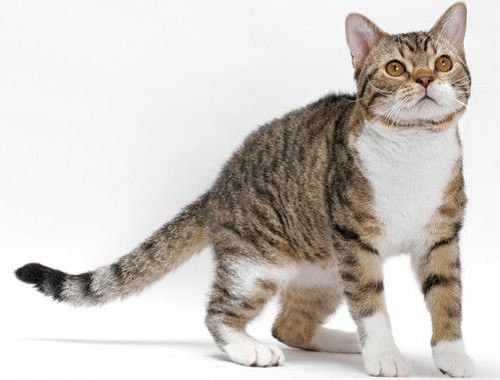
The American Wirehair is considered a treasure in the cat world because it is ranked as the rarest of the 41 CFA breeds. This breed is relatively new to the cat scene and is unique in many ways.
With a loving, sweet and relaxed personality, the American Wirehair is easy to care for, making them the perfect pet for families with small children and other pets.
They are often referred to as the most people-oriented cats because they crave affection and attention from their humans. They are affectionate but not clingy, and active without being hyper. Cat fanciers say that the American Wirehair is in tune with their owners’ feelings and try to offer companionship and comfort when their favorite human is feeling blue. They love all family members, but usually pick one person and claim them as their favorite human.
General Information:
Height/Length: medium to large
Weight: 6-11 pounds
Lifespan: 15 -16 years
Coloring: this breed can be found in more than 20 color variations and patterns
Area of Origin: America
Similar Breeds: American Shorthair
Breed History and Origins:
The American Wirehair, same as the American Curl breed, started as a spontaneous mutation. In 1966, Joan O’Shea, a breeder from New York, acquired a kitten from a small farm. The kitten was quite different from the other breeds, so he thought it may represent a new cat breed. And he was right! The kitten was later bred to a straight-coated cat from the same farm, and the breeding resulted in two Wirehairs. O’Shea bought the kittens and named them Amy and Abby.
Amy was later sold to Bill and Madeline Beck, two breeders who took a part in helping this new breed get noticed in the cat world. Amy had a number of Wirehair kittens, including a kitten named Barberry Ellen, which was the first homozygous American Wirehair.
In 1967, Madeline and Bill petitioned the CFA for accepting the Wirehair breed for registration. CFA granted the petition and later in 1978, the Wirehairs achieved CFA Championship status.
O’Shea and the Becks stopped working with this breed, but luckily, many breeders, exhibitors, and judges have kept the American Wirehair breed going. They all have worked hard to improve the body style of the cat by selectively breeding. That is the main reason why the number of Wirehairs is still limited. For example, in 1995, 74 cats were registered as Wirehairs with the CFA, while in 2003, only 22 Wirehairs were registered.
Not everyone believes that this breed is “made in America.” There are some indications that the mutation might have occurred someplace else way before 1966. Cats with wiry coats were seen in London after World War II. There were two cats very similar to the Wirehair exhibited in a pet category at the British National Cat Club two years before this breed appeared in America. No one knows whether or not American Wirehairs and these cats in London come from the same gene pool. Maybe these were similar spontaneous mutations that happened in two different parts of the world at the same time.
Size and Physical Characteristics:
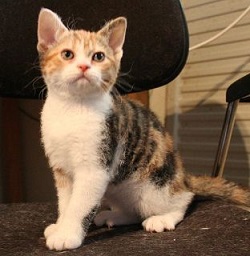 The unruly hair in the American Wirehair is a gift from Mother Nature. This wiry breed is truly rare; the coat is what makes them really unique.
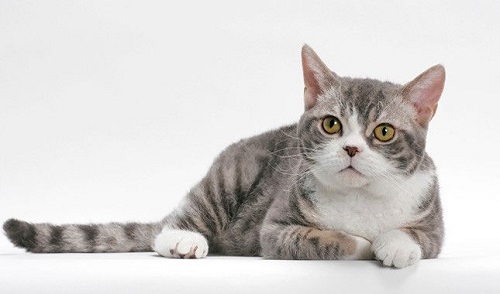
The coat separates them from all other cat breeds. There is a considerable variation of texture in the Wirehairs, just as there is a variety in Exotics or Persians. At first appearance, the coat seems coarse like a steel wool. However, their hair is stiff, resilient, springy and dense to the touch, creating a pleasant sensation. The three types of hair (guard, awn and down) are crimped, bent or hooked, including the hair in their ears and their whiskers. The wired coat density has a ringlet formation rather than a wavy formation. There is no other cat breed that has a similar coat to the Wirehairs. The difference in the coat can be seen even from a distance.
They are medium to large in size, the back is level, and the hips and shoulders are the same width. The underlying body structure of their head is round with a well-developed chin, a slight whisker break and prominent cheekbones. Their eyes are rounded, large, clear, and bright, and are set well apart. In most cases, the eye color complements the color of the coat.
When it comes to colors, the American Wirehair comes in any color, including white, cream, black smoke, shaded silver, calico, blue-cream, tabby and pattern, etc.
Personality and Temperament:
The temperament of the American Wirehair can be described as quiet, warm happiness. They have an even, balanced temperament almost identical to that of the American Shorthairs. All Wirehairs like to be petted by their favorite human. Although calm, they can be alert. They love to play and then fall asleep in their human’s lap. Not every Wirehair is a lap cat, but they definitely enjoy sleeping beside or near their owner. This breed is one of the most people-oriented breeds.
They are always in tune with the mood of their humans, so they know when they should offer their kitty support.
They are highly adaptable – a characteristic that makes them the ideal companion for everyone: seniors, singles, and families with children, and other pets. The American Wirehairs are great with kids, as they are both playful and very tolerant. When being ignored, they might give their owner the gentle, “Human, play with me,” love bite.
They know how to entertain themselves, but appreciate when their favorite person is playing with them. Interactive games that involve running after the red dot, batting at a feather, or thinking how to release their favorite treats from puzzle toys are the games they love the most. They are always in the mood to learn new things because they are very smart and trainable.
Wirehairs are highly social cats, so they enjoy the company of dogs and other animals. They are not loud or very vocal; they communicate with their expressions. They do not bother their owners with their meows unless something very important is on their minds. One of their best attributes is their patience – which is probably the reason why they are such good hunters.
So, the Wirehair is an easy breed to care for and live with. They are affectionate, gentle, small, quiet, playful, and humorous. They enjoy when their human is playing with them as much as the next cat, but they are not overly demanding when it comes to activity and attention.
They are constantly interested in everything that is going on around them, so they are often found following their owners from one room to another.
Nutritional and Exercise Needs:
 American Wirehairs and Nutrition
Proper diet is the brick and mortar of health. Putting a little thought into the nutrition of an American Wirehair will help them avoid serious, painful, and costly illnesses. A healthy nutrition pays big dividends over a cat’s lifetime.
American Wirehairs are carnivores. They do not eat the same way people and dogs do. Wirehairs can’t process carbs well, and carbs might put them at risk of diabetes.
Vets are always here to recommend a proper diet for any cat. American Wirehairs eat different foods with no problem, but that does not mean their owners should let them eat everything. Keeping an eye on their nutrition plan is highly recommended. When bringing new food to their diet, the whole “introducing” process should be done slowly. This prevents the Wirehair from rejecting the new type of food, and it also lessens the risk of upsetting their stomach.
Wet canned food is recommended because dry food has a low water content and too high a carbohydrate content. Dry food can also be contaminated with fungal mycotoxins, bacteria and other toxic substances.
Water is the most important nutrient that contributes to health in all living creatures. Cats do not have a thirst drive as strong as some other species, which is why it is very important for them to have a water-rich diet.
Another reason why American Wirehairs should eat wet canned food: dry food contains about 10% water, while canned food contains approximately 80% water. That is why canned foods are better suited regarding the water needs of the American Wirehair.
American Wirehair and exercising
American Wirehairs will create a toy out of everything they find. Yes, toys are fun and interesting, but interactive games are also entertaining and probably the best way to keep the Wirehair happy, healthy, and responsive.
There are still some cat owners who believe that if their cat is running around the house for half an hour there is no need to play with them. Could people get all the physical activity they need just by walking from one room to another? Well, same goes with the cats. The American Wirehair is an indoor-only cat, and thus owners should plan different games for their cats. If the Wirehair does not get enough exercise, problems like obesity might occur.
Wirehairs like toys that mimic the actions of animals they would normally hunt – birds, mice, rabbits, lizards, or bugs. Laser pointers are also among their favorites, and it almost goes without saying that every cat, including the Wirehair, needs a scratching post.
Grooming and Upkeep:
American Wirehairs have a unique coat, and when it comes to grooming, there is one rule – the less grooming the better. Brushing and combing can do a serious damage to their coat, so owners are advised to keep the brushing at minimum. Regular bathing is recommended because it helps remove dead hair, and it also helps with the greasy coat feeling often developed in many Wirehairs.
Like most cats, Wirehairs hate water, so they should be introduced to the whole bathing procedure when they are kittens so that bathing becomes a pleasant experience for them.
Wirehairs need weekly trimming of their nails, regular brushing of their teeth with a special toothbrush and vet-approved toothpaste for cats, and regular cleaning of their ears with ear-cleaning solution and cotton balls recommended by vets. The hair inside their ears is curly and coarse, which is why the ears might have wax buildup, so in order to prevent clogging problems in the ear canals, their ears must be regularly cleaned. These needs are often overlooked, mostly because Wirehairs clean themselves, but daily hygiene is a must for the Wirehair.
Characteristics Unique to the Breed:
| Advantages | Challenges |
| Distinctive and unusual appearance | Need plenty of toys and attention |
| Pet friendly | Delicate grooming because of the coat |
| Intelligent, devoted, and loyal | Might have behavioral issues if left alone |
| Quiet | |
| Easy and fun to train |
Using the best method for taking care of an American Wirehair is a must because not all are alike. The sociable and friendly nature of Wirehairs makes them a great choice for families with little children and pets. They are very playful, so the owners should have plenty of toys, as well as free time to entertain their pet.
As it was already mentioned, vets advise owners to bathe these cats more often because of their greasy coat. Grooming should be done carefully in order to avoid breaking off their fragile hairs. Wirehairs have thinner and weaker hairs in comparison to a traditional cat hair.
They are easy and fun to train, loyal and devoted to their owner, and not vocal. However, they will need attention from their favorite person, so the cat might have behavioral issues if left alone for a longer period of time.
Health and Wellness:
American Wirehairs are overall healthy cats and are generally resistant to diseases, but just like any breed, they have tendencies toward a few major health problems. They have been used in breeding programs that might put some Wirehairs at risk for health issues. Due to the breeding programs, some lines of Wirehairs might have inherited genetic issues that usually affect the American Shorthair.
The most common disease is feline hypertrophic cardiomyopathy. This disease weakens the heart because the affected heart wall becomes less elastic, so the chambers of the heart get smaller. The early symptoms of this condition are indefinite, but decreased appetite, increase in respiratory rate and weight loss might be noted. Wirehairs with this condition require drugs that increase the heart’s efficiency.
Another disease common for this breed is feline hip dysplasia. While this disease is not life-threatening, it can cause lameness, stiffness, terrible pain, and dysfunction.
Interesting Facts about the American Wirehair:
- The American Wirehair is the rarest of all CFA breeds.
- It is named Wirehair because of its unique coat.
- The American Wirehair is considered as the 33rd most popular cat in CFA’s roster of recognized breeds.
Why Choose American Wirehair?
American Wirehairs look like docile cats, but they still have the blood of a hunter. They are inquisitive and intelligent, and they need plenty of exercise to burn off their excessive energy. Although very playful and energetic, they are not overly demanding of their owners’ attention. Active and vigorous pets, they just love to play in a calm indoor environment. They totally love and adore their owners and always follow them around the house.
For all those who want to have an energetic cat with a unique appearance, the American Wirehair is definitely the cat for them.